Data last updated: June 1, 2026 · Florida · 13 min read
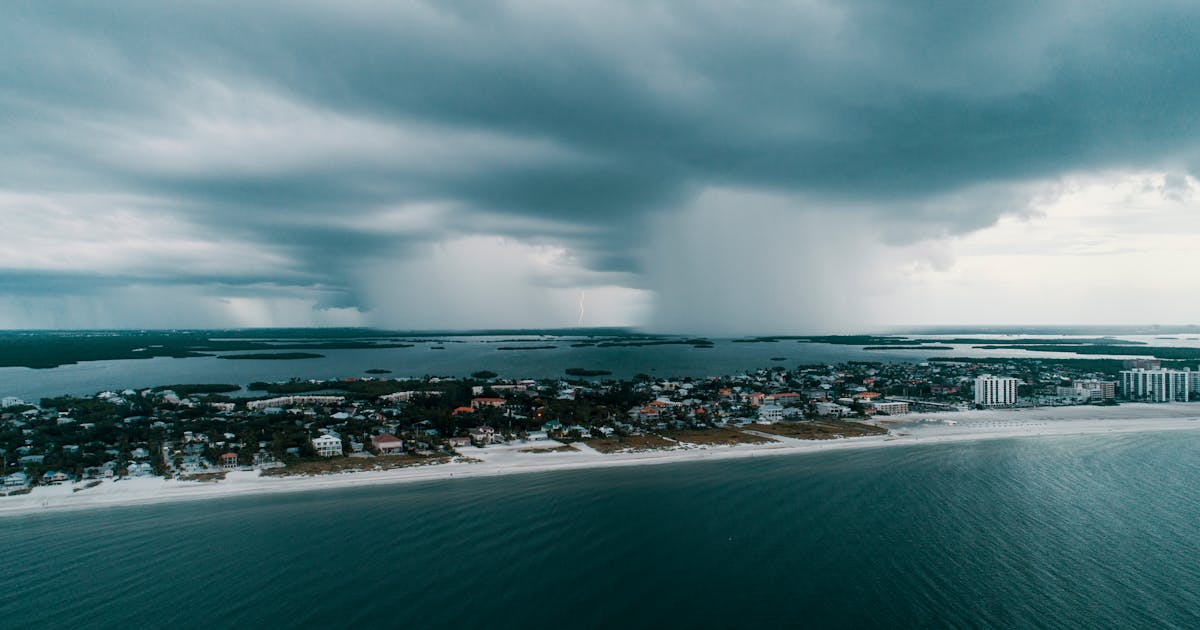
June 1 is a date every Floridian learns to respect. It is the opening day of the Atlantic hurricane season, and for the next six months the question is never really if a storm will form but how many, how strong, and how close. We prepare in the obvious ways — water, batteries, plywood, a full tank of gas — but in fifteen years of sitting across the table from Florida families, I have learned that one kind of preparation is almost always missing: the health-coverage kind. When a storm knocks out the power, scatters a family across two counties, and closes the neighborhood pharmacy, a health insurance card is not the first thing anyone thinks about. It should be closer to the top of the list than it usually is.
I am Vivian Soto, a licensed bilingual health insurance agent at VS Healthcare Solutions in Orlando. This guide is the conversation I wish every client had before the first named storm of the year — not about boarding windows, but about keeping your medical coverage, your prescriptions, and your access to care intact when a hurricane upends ordinary life. The good news is that Florida law and the federal coverage rules build in real protections for disaster season. The catch is that almost none of them help if you do not know they exist before the storm arrives.
What an average hurricane season actually looks like
It is easy to treat hurricane season as an abstraction until a cone appears on the map. Anchoring to the long-run numbers helps put the risk in proportion. According to NOAA’s 1991–2020 climate normals, a typical Atlantic season is not a quiet one.
The season runs a full 183 days, from June 1 through November 30, with the most dangerous stretch concentrated between mid-August and late October. Florida sits more exposed than any other state — its long coastline and peninsular shape mean a storm forming almost anywhere in the basin can become our problem. None of that is meant to frighten anyone. The point is simply that a season with a handful of hurricanes is normal, not exceptional, and planning your coverage around that reality is ordinary prudence, the same as keeping bottled water in the garage.
Build an insurance go-bag before the first storm
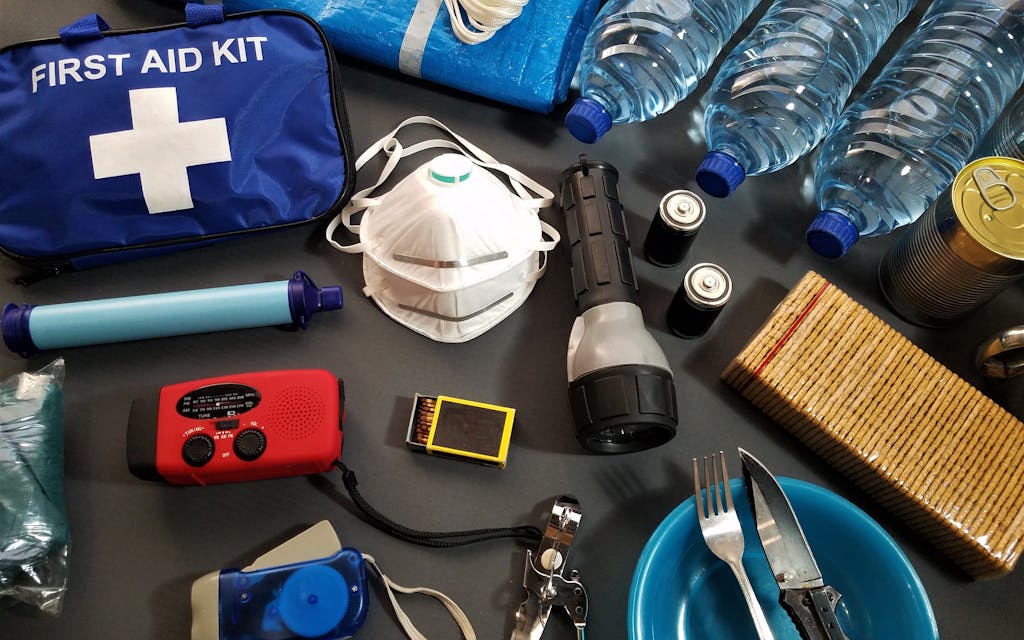
Every Florida household is told to assemble an emergency kit. Treat your health coverage as one more compartment in it. If you evacuate at two in the morning ahead of a landfall, you will not have time to hunt for a member ID or a list of medications — so assemble it now, while the skies are clear.
| Item | Why it matters in a storm |
|---|---|
| Health insurance card(s) | A photo on your phone plus a paper copy — you may need it at an unfamiliar pharmacy or ER |
| Member ID & plan name | Lets any provider verify coverage even if the card is lost |
| Current medication list | Drug names, doses, and your pharmacy — critical for an emergency refill |
| Two weeks of medication | A buffer if pharmacies close or you cannot get home for days |
| Doctor & specialist contacts | Names and numbers, so a new provider can coordinate your care |
| Your agent’s number | One call to sort out coverage questions while you focus on your family |
Keep it simple: a sealed plastic bag with paper copies, plus the same information photographed on your phone and saved somewhere you can reach without a signal. The families who fare best after a storm are rarely the ones with the most supplies — they are the ones who organized the boring paperwork before they needed it.
Prescriptions: how to avoid running out mid-storm
Of every coverage problem a hurricane creates, the one I hear about most is medication. A pharmacy loses power or floods, the roads close, and someone with a heart condition or diabetes is suddenly counting pills. Florida law anticipates exactly this.
When the Governor of Florida declares a state of emergency, the state’s emergency-refill rule takes effect: a pharmacist may dispense up to a 30-day emergency supply of most maintenance medications, even if your prescription has no refills left or was recently filled, and your insurer is generally required to cover an early refill in the declared area. This is one of the most useful protections Florida has, and it is badly underused — many people simply do not know to ask. The practical move is to act early. The moment a serious storm enters the forecast and an emergency is declared, call your pharmacy and request your refill rather than waiting until you are nearly out. If you take a controlled substance, the rules are narrower, so ask your pharmacist specifically how the emergency provision applies to your prescription. And keep that two-week buffer in your go-bag year-round, because the cleanest solution is never needing the emergency rule at all.
How a disaster can reopen your coverage: Special Enrollment Periods
Health coverage in this country runs on enrollment windows, and most of the year those windows are closed. A hurricane can change that. When the federal government issues a major disaster or emergency declaration for your county, it can trigger a Special Enrollment Period — a limited window to enroll in or change coverage outside the normal Open Enrollment season — for people the storm prevented from acting in time.
| Coverage | What can open a window | Typical window |
|---|---|---|
| ACA Marketplace | A FEMA-declared disaster that kept you from enrolling, or losing other coverage | About 60 days |
| Medicare (Part C / D) | Living in a FEMA-declared emergency area when another election period was missed | Through the end of the incident period, plus extra time |
| Employer plan | Losing job-based coverage if a business closes after a storm | About 60 days for a Marketplace plan |
| Medicaid / KidCare | Income or household changes — enrollment is open year-round | Anytime |
The detail that matters is documentation and timing. A disaster Special Enrollment Period is not automatic — you generally have to claim it and, in some cases, attest that the emergency affected your ability to enroll on time. The windows are also finite, so the worst thing you can do is assume you will sort it out “once things settle down” and miss the deadline. If a storm has disrupted your coverage in any way, that is the moment to call a licensed agent and find out which window applies to you, because each program counts its days differently.
Telehealth when you’re displaced or evacuated
One of the quieter lessons of recent hurricane seasons is how much telehealth can carry the load when a family is scattered. If you have evacuated to a relative’s home three hundred miles away, your usual clinic is unreachable — but a video visit often is not.

Most Marketplace and Medicare Advantage plans now include a telehealth benefit, and it becomes genuinely valuable in a displacement. A virtual visit can handle a medication question, a minor illness, a refill authorization, or a check-in for a chronic condition without anyone driving back into a disaster zone. Two things make it work in practice. First, set it up before the storm — download your plan’s telehealth app, log in, and confirm it works while you still have a stable connection, because a crisis is a poor time to reset a forgotten password. Second, know what your plan actually covers: which telehealth service it uses, whether there is a copay, and whether it can send a prescription to a pharmacy near wherever you have evacuated. Sorting that out in June takes ten minutes; sorting it out during an evacuation can be impossible.
If you’re on Medicare: the disaster Special Enrollment Period
Medicare beneficiaries have their own protection built for exactly this situation, and it is one of the most generous on the books. If you live in an area covered by a FEMA-declared emergency or major disaster, and you missed another Medicare enrollment opportunity because of it, you qualify for a disaster Special Enrollment Period to make the change you were prevented from making.
In plain terms, suppose a hurricane struck during the Annual Enrollment Period and, between the evacuation and the cleanup, you never got to switch your Medicare Advantage or Part D plan. The disaster Special Enrollment Period gives you that chance back, generally lasting through the end of the declared incident period and for a stretch of time afterward. You do not have to prove the storm personally displaced you — living in the declared area during the relevant window is typically enough. It is a humane rule, but like the others it relies on you knowing it exists. If you are on Medicare and a storm collides with an enrollment season, do not assume you have lost your chance; call and ask whether the disaster window applies. For the broader Medicare landscape this year, my mid-year 2026 Medicare update covers the other enrollment periods worth knowing.
When a storm costs you your job-based coverage
Hurricanes do economic damage as well as physical damage. A business floods and cannot reopen, hours are cut, a seasonal employer shuts down early — and the health coverage that came with the job goes with it. This is one of the most stressful coverage shocks a storm can deliver, and it is also one of the most fixable.
Losing job-based coverage is itself a qualifying life event, which means it opens a roughly 60-day Special Enrollment Period to buy a plan on the ACA Marketplace — entirely separate from any disaster declaration. For many families this turns out better than expected, because a sudden drop in income often means a much larger premium tax credit than they would have qualified for while employed. The same storm that ended the paycheck can make subsidized Marketplace coverage far more affordable. The mistake I see is people going uninsured during the gap because they assume coverage is now out of reach, when in reality a single conversation can have them covered within that window. I walk through these qualifying events in detail in my guide to the ACA Special Enrollment Period, and a storm-driven job loss is squarely on that list.
Coverage deadlines: act fast, because the clock is real
Almost every protection in this guide comes with a deadline, and storms have a way of making time blur. Keeping the key numbers in view helps you act before a window quietly closes.
None of these are precise to the day in every case — disaster windows in particular can shift with the terms of a federal declaration — but the shape is what counts. You have roughly two months for the enrollment windows, a month of emergency medication if the state of emergency is active, and you should personally carry about two weeks’ supply. Treat the longer windows as “act this week,” not “act eventually,” and you will never be caught by a deadline you did not see coming.
Frequently asked questions: Florida health coverage during hurricane season
Can I get an early prescription refill before a hurricane?
Often yes. When Florida’s Governor declares a state of emergency, pharmacists may dispense up to a 30-day emergency supply of most maintenance medications even if your prescription has no refills left, and insurers generally must cover the early refill in the affected area. Call your pharmacy as soon as a serious storm is forecast rather than waiting until you run out. Controlled substances have narrower rules, so ask specifically.
Does a hurricane create a Special Enrollment Period for health insurance?
It can. A FEMA-declared major disaster or emergency for your county may trigger a Special Enrollment Period for the ACA Marketplace if the storm prevented you from enrolling on time. Separately, losing job-based coverage after a storm opens its own roughly 60-day window. These are not always automatic, so contact a licensed agent to confirm which applies and to enroll before the deadline.
What should be in my insurance go-bag?
Keep paper and phone copies of your health insurance card and member ID, a current list of medications with doses and your pharmacy, your doctors’ contact information, about two weeks of medication, and your insurance agent’s number. Store the documents in a sealed waterproof bag alongside your other emergency supplies so you can grab everything at once if you evacuate.
Will my health plan work if I evacuate to another part of Florida or out of state?
Emergencies and urgent care are covered regardless of where you are, and most plans relax network rules during a declared disaster. Routine and non-urgent care may still be limited to your plan’s network, which is why telehealth and a current medication list matter so much when you are displaced. If you expect to be away for a while, call your plan to ask how out-of-area care is handled during the emergency.
I’m on Medicare and missed my enrollment window because of a storm. What now?
You likely qualify for a disaster Special Enrollment Period. If you lived in a FEMA-declared emergency or major disaster area and missed another Medicare enrollment opportunity because of it, you generally get a window to make that change — lasting through the end of the incident period plus additional time. You usually do not have to prove the storm personally displaced you; living in the declared area is typically enough.
What happens to my coverage if I lose my job after a hurricane?
Losing job-based health coverage is a qualifying life event that opens a roughly 60-day Special Enrollment Period to buy an ACA Marketplace plan. A drop in income often increases your premium tax credit, so subsidized coverage may be more affordable than you expect. Do not go uninsured during the gap — a quick call can confirm your options and get you enrolled within the window.
How can telehealth help during a hurricane?
Telehealth lets you reach a doctor by video when your usual clinic is closed or you have evacuated. Most Marketplace and Medicare Advantage plans include it, and it can handle refills, minor illnesses, and chronic-condition check-ins without driving into a disaster area. Set up and test your plan’s telehealth app before the season so it is ready when you need it.
When does Florida’s hurricane season start and end?
The Atlantic hurricane season runs from June 1 through November 30 each year, with the highest activity typically between mid-August and late October. Because the risk spans six months, it is worth getting your coverage, prescriptions, and emergency documents organized at the start of June rather than waiting for the first storm to enter the forecast.
Why a Florida insurance agent matters when the storms come
When a hurricane is bearing down, your attention belongs on your family, your home, and your safety — not on parsing the fine print of enrollment windows and emergency-refill rules. That is precisely the load a local agent is meant to carry for you. My help costs you nothing; carriers pay the commission, and plan prices are identical whether you enroll with an agent or on your own.
What I do for Florida families around hurricane season is concrete. Before the season, I make sure you know your plan’s telehealth benefit, your prescription situation, and the deadlines that would matter if a storm hit. During and after a storm, I am the single phone call that sorts out which Special Enrollment Period applies, how to handle a lost job’s coverage, and what to do if you have been displaced — in English or Spanish, which matters for the many Florida households more comfortable in Spanish. Living here means living with hurricane season, but it does not mean facing the coverage side of it alone.
Sources
- National Oceanic and Atmospheric Administration. Atlantic hurricane season averages and 1991–2020 normals.
- National Hurricane Center. Tropical Cyclone Climatology.
- The Florida Senate. Statute 252.358, Emergency-preparedness prescription medication refills.
- HealthCare.gov. Special Enrollment Periods.
- Centers for Medicare & Medicaid Services. Medicare Special Enrollment Periods, including for disasters and emergencies.